
Learning to Recognize Engine Problems Builds Confidence Behind the Wheel
The first few months behind the wheel are full of small discoveries. There is the satisfaction of parking neatly, the challenge of unfamiliar roads, and occasionally a dashboard symbol that seems to appear without explanation. The check engine light is one of those surprises that can make a new driver immediately imagine an expensive breakdown. Yet it is a warning, not a diagnosis. Asking the CM Auto Tire & Repair team what that light could mean is a sensible way to begin learning. Understanding when to seek help matters far more than memorizing every possible engine fault.
Modern cars keep track of engine operation, emissions controls, and electronic components through onboard computers. When a monitored value falls outside expected limits, a check engine light may illuminate. Sometimes the reason is relatively simple, such as an improperly sealed fuel cap on a vehicle that has one. Other times, a misfire or a fuel-system problem needs closer attention. The confusing part? A car can still sound and drive normally. New drivers should avoid deciding that everything is fine just because there are no obvious symptoms. The light is asking for investigation, even when the journey feels completely ordinary.
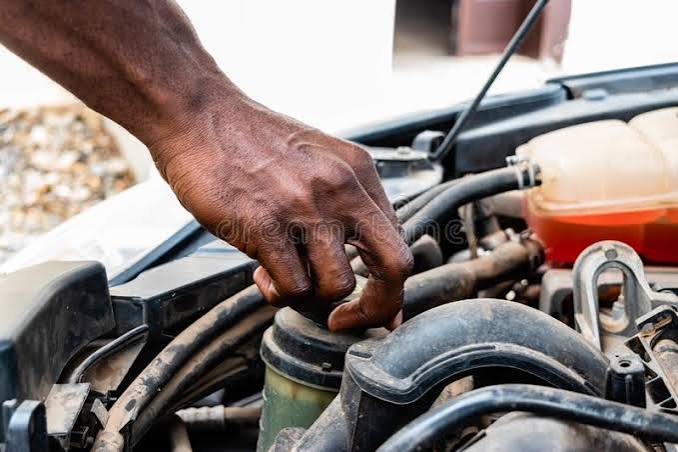
There is one distinction every beginner should learn early: steady versus flashing. A steady check engine light, when the vehicle otherwise behaves normally, usually means arranging diagnostic testing promptly rather than stopping in a panic. A flashing light can signal a serious misfire that risks damaging the catalytic converter. Pull over safely, shut the engine off, and arrange assistance. Sudden loss of power, severe shaking, overheating, or other critical dashboard warnings also call for stopping. A quick glance at the owner’s manual can help explain the symbols. Knowing these basic responses makes a stressful moment easier to handle without taking unnecessary risks.
At the repair shop, a technician may connect a scanner to retrieve stored trouble codes. That sounds straightforward, but the code often identifies the system reporting a problem rather than the exact part to replace. Mechanics might also check wiring, study live readings, inspect hoses, or test how the engine operates under particular conditions. For a beginner, this is a useful chance to ask questions. What did the test confirm? Is the repair urgent? What might happen if it is delayed? A good explanation is part of good service, and learning it can prevent expensive guesses the next time a warning appears.
Confidence comes from building practical habits, not pretending to know everything about engines. Keep the owner’s manual accessible, notice changes in fuel consumption or performance, and record when a warning first appeared. Never ignore a flashing engine light simply to reach a destination. When something is unclear, the CM Auto Tire & Repair team can be a point of contact for discussing diagnostic options and the next sensible step. New drivers do not need to become mechanics overnight. They simply need to recognize when their vehicle is asking for attention, and understand that asking the right questions is part of being a responsible driver. It is a skill that becomes easier with experience and a little well-timed professional advice.
…